- The Honest Newsletter
- Posts
- People Start Businesses for Reasons I Did Not Anticipate
People Start Businesses for Reasons I Did Not Anticipate
Maybe I'm not as keen a student of human behavior as I thought

Lionel Foster
September 04, 2025 • Estimated Reading Time: 1 minute
MEET THIS WEEK’S GUESTKate Mearand founded and ran the Office of Innovation and Equitable Development within Washington, DC’s local government for 10 years. She knows why people start businesses—and what holds them back even after they get going. | 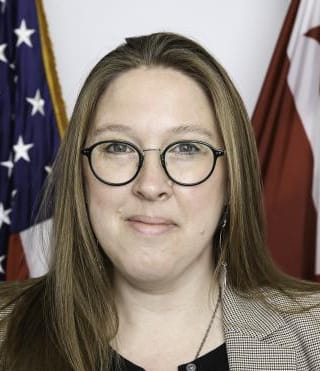 |
Friends, here is this week’s episode.
Kate Mearand is an excellent listener. She’s had a lot of practice, having personally spoken with thousands of aspiring entrepreneurs. As a result of that listening, she decided she needed to develop and offer a training on money and trauma. We spoke about that training and the personal and professional experiences that led to it.
Relatedly …
Two-Thirds of Adults Have Experienced Financial Trauma
Kate loves data. This study by Experian was one thing that prompted her to create that training.
How Do You Know if You Need a Financial Therapist?
Money, Honestly exists in part because the podcast Death, Sex, and Money exists. We don’t have any kind of formal partnership. (I wish!) But host Anna Sale inspired a lot of the questions I ask and the way I try to make space for people. The first time I heard the term “financial therapist” was on her show.
Entrepreneurship as a Way of Life
Kate trained as a lawyer. You can hear that in the precision with which she picks apart concepts and the etymology of words. Which makes me wonder: Why is there such a mystique around entrepreneurism? It’s definitely a type of work, but in America it seems to be so much more. A calling. An aspiration? And for some, a way of life.
I understand the appeal. One thing I love about working in one corner of entrepreneurship (venture capital) is how efficiently we try to do things. Efficiency taken to extremes is absolutely soul-destroying, but in humane doses, it can be amazing. Take the concept of the minimum viable product. The idea behind it is this: what can you build that meets customer demand and works well enough to put you in a position to get immensely valuable customer input without investing too many resources, resources that might better be used on the next prototype or on a different product altogether if the current model proves unviable? And it doesn’t need to be pretty. It could be cobbled together with paperclips and glue. It just needs to help you advance.
I think about this in many facets of my life. What’s the smallest amount of effort I can expend to achieve the greatest impact? How do I right-size my commitments?
Thanks for listening.